I’m reading a book called Quiet, by Susan Cain. It is a study of introverts and extroverts. Susan is an introvert. It’s a fascinating and thought-provoking book. In the current chapter she discusses how people react to being embarrassed. No surprise that introverts take it a lot harder than extroverts, who tend to shrug things off more easily. Introverts are apparently more ‘sensitive.’ She posed a question about the last time we were embarrassed. Okay, I’ll bite….
This wasn’t the last time or necessarily the worst time, but it is a time that has stuck with me for years. I am still embarrassed and cringe when I think about it – it comes back to me sometimes. This took place about 15 years ago.
I was working in a senior role for a US-based company. A friend and former colleague asked me to meet a friend of hers, a woman who was going through a tough time, having gotten divorced and was looking for career advice, i think. I don’t even remember all the circumstances, but I remember that I readily agreed to meet her and did so in the cafeteria of our company. We talked for a while and she was bright and articulate and also attractive, physically. At some point I mentioned this – that she was attractive. I have no idea why, and it was so inappropriate. To make matters worse, I distinctly remember saying it again…a SECOND TIME. I am cringing again now just remembering. I said something like “you are clearly bright and talented and also attractive..” as if that would important to point out as she sought career advice. I don’t think she reacted but I’m quite sure she recognized how inappropriate it was; she probably thought I was making a pass at her.
Needless to say I never heard from her again, nor did I hear from my colleague who asked me to meet her, in good faith. What a jerk I was; I don’t know what I was thinking, including her physical appearance in my assessment of her employment competitiveness.
I’ve never spoken aloud about it, ever, to anyone. I’ve never written about it anywhere…till now. And no, it doesn’t make me feel better to do so, but I do think I learned from the experience, as I’ve never made that stupid mistake again since.
This is not a topic that I usually spend a lot of time thinking about – which country is ahead or behind USA on a certain topic (unless it’s the World Cup, ugh).
However, reading about China’s work on alternative energy is eye-opening. They have apparently built 162 sq miles of solar panels, wind turbines all around and hydropower dams. China is building an enormous network of clean energy on the Tibetan plateau.
China is still the largest polluter in the world, burning as much coal as the rest of the world combined (according to NYTimes article). However, President Xi for the first time spoke at the United Nations about reducing greenhouse gas emissions and expanding renewable energy six fold. This was a moment of significance.
This is particularly interesting when contrasted with the Trump administrations efforts to double down on gas, oil and coal, even trying to force other countries to buy those elements from USA.
China is dominating clean energy, powering high-speed trains and electric vehicles. They’ve even built a 2,000 mile power line across the country, transmitting electricity generated by those enormous solar farms. This line will be followed by many more.
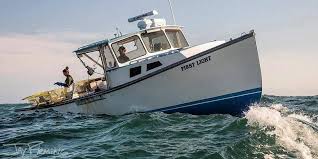
At a recent meeting I attended here in Maine I listened to a discussion about efforts to bring EV technology to the commercial fishing industry. This is a laudable goal, but some experts suggested that powering the large lobster boats would require way more electricity than would make it viable with current battery technology. I asked what alternatives there were, and one answer was hydrogen. Apparently an effort to extract hydrogen from sea water is in early stages of development. My colleagues in the meeting suggested that this solution is ‘decades away’ here in the USA. They might be right…but some quick googling suggests that China are already solving it.
We are not the leaders in clean energy. We have spent our money and political capital fighting climate change and ignoring the need for clean energy. China remains the largest polluter in the world, but it looks to me like they ‘get it’ a lot more than we do.
I’ve never been more frustrated, reading the national news each morning. I think Trump and his sycophantic group of unqualified losers are causing so much damage to our country – and it’s reputation worldwide – that it will be irrecoverable. The question I wrestle with is what to do about it.
I’m not going to do something rash on a national level. Every once in a while I lash out on social media but that’s useless and helps in no way – people who agree with me like it and those who don’t, don’t.
I am convinced that the answer to “what can I do” lies in local solutions. I have tried hard to ‘reinvent myself’ after 40 years of corporate life. I spend time helping my son with his sea kayaking business (having declared myself Chairman of his company) and am also doing volunteer and board work for 3 non-profits.
The one I joined 3 years ago is the Island Institute. They help waterfront communities across Maine. Their programs help support climate change solutions and working waterfront economic diversity issues. I also do volunteer work for them, providing tech support at weekly meetings for the elderly on Deer Isle. They love it and it’s fun.
Last year I joined an even more local non-profit, called Project Launch. This is led by a wonderful lady who provides coaching, support and programs for local teenagers, opening their eyes to possibilities in addition to commercial fishing.
And most recently, I joined the board of Junior Achievement (JA) of Maine (logo at the top). I have been involved with JA for 20 years, starting in New York City when I did volunteer teaching at a middle school in Harlem – so rewarding. Then I taught for a while in Norwalk CT. I also joined the Boards of those chapters, and chaired the board in CT for a number of years, until 6/30/25. At that point I contact the head of JA in Maine and she offered me a seat on her board.
These are my current involvements – I enjoy them and enjoy how they make me feel about helping at a local level. At least I’m contributing in small ways at local levels. It’s the best I can do for now.
Trump can’t see me, so I’m pretty sure I can continue to get away with this. :-).
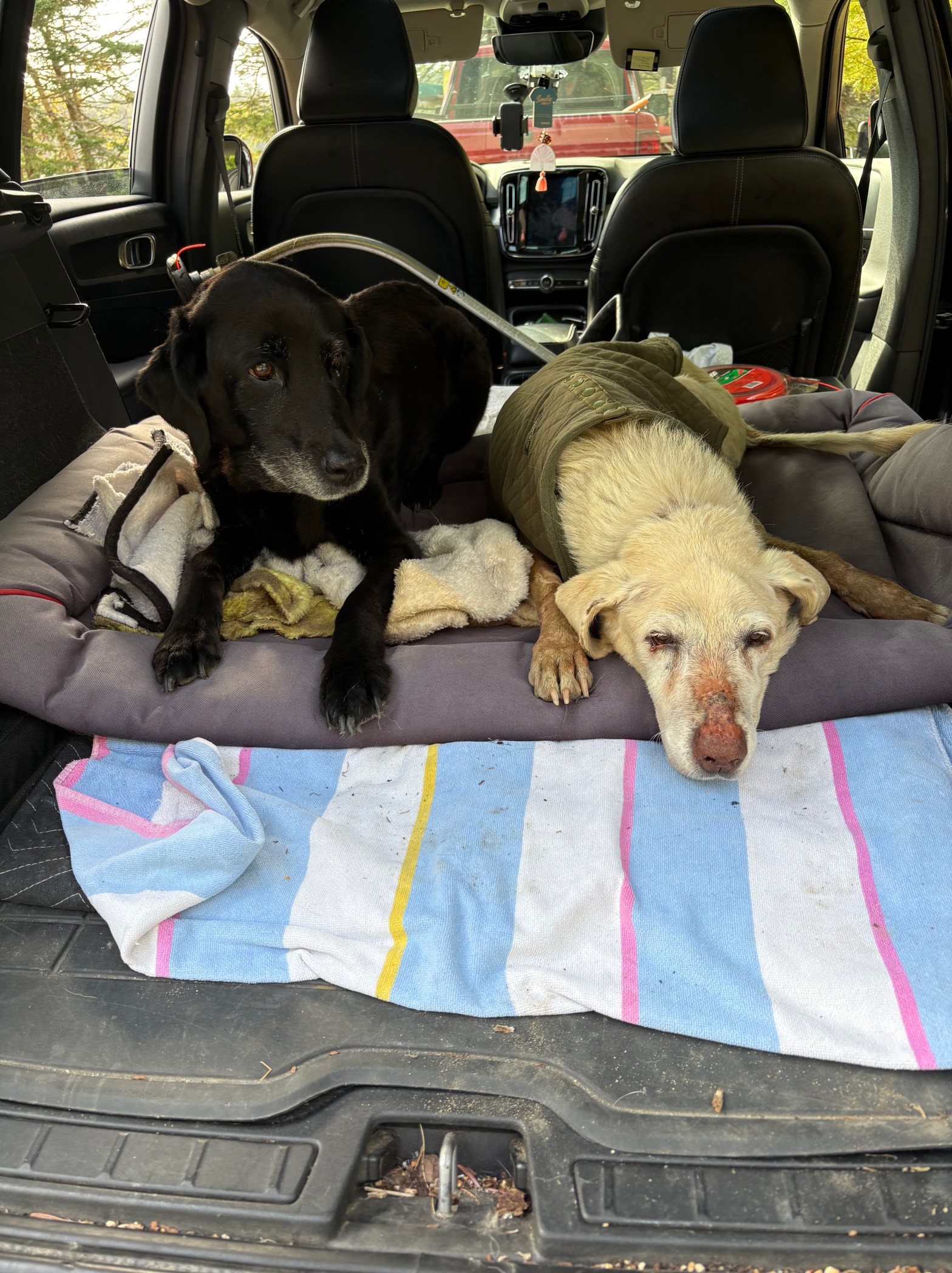
This photo was taken the morning we had to take our yellow lab to the vet to have her put to sleep. My wife brought her over to where a few of us were, on the ocean, and let her sit in the back of the car with her ‘sister’ the black lab next to her. After everyone got to say good bye we drove her away from the place she loved, for the last time.
I cried like a baby. I still do, two days later, when I wake up and she’s not in the house, ready for a walk or a swim. We adopted her 13 years ago and she almost made it to 14 years old. She had been horribly treated before we got her and it took quite some time before she became a lovable kook. None of that is the purpose of this post, though.
How do I get so attached to an animal, a pet, a creature that doesn’t speak, at least not in a voice like mine.
I have always loved animals. Perhaps it’s because they seem to need me. Perhaps it’s because I need them. Ever since I was a little boy I have had a pretty good way about making friends with animals – it could be dogs, cats, horses, sheep, i don’t know what else…but mostly dogs and cats. It is rare that I can’t make friends with a dog. I can also tell from their eyes whether they are friendly and loving.
Once a dog comes to live with me, he/she is part of the family. My dog doesn’t go to work with me (well they do now, that I’m working at my son’s kayaking business, but not when I was in the corporate world). My dog is sad to see me go anywhere, asking if he can come with me. My dog loves to ride in the car. My dog is thrilled to see me when I get home. My wife used to be like that, and my kids used to be like that. My dog is ALWAYS like that…wiggling and wagging and ready for a hug. My dog just wants to be with me. I love that.
My dog does communicate. He senses sadness, and happiness. Yes she expected to get fed regularly, but the most important thing to my pups was the chance to be close to me. They sleep in my room, sometimes in my bed (depending on the size of the dog).
Rooney was the yellow lab we said good bye to this week. When she was young she was athletic and energetic and hilariously kooky and endlessly entertaining. As she got older, she got slower. She required more care, special foods, but still went on walks every day and expected it. She had been there for me for 13 years and she deserved the extra attention and care that she got right up to the end. She brought us joy and she deserved extra care at the end.
I was with her, touching her and telling her I loved her, until her heart stopped, on the floor of the vet’s office. I once made the mistake years ago of not being there at the very end, thinking I couldn’t bear it….and now that I look back on it, I think I was selfish. My dog deserves to see me as the last thing she sees, and know that I loved her, always will, and miss her now.
I went on the walk yesterday without her for the first time. I came across the section of mud that she insisted on padding through instead of the path…and saw her paw print. I think she left it for me.
I will get over this, and our other dogs still bring me joy and companionship, but I am sad right now. Good bye, Rooney. I love you.
Someone said recently that I have reinvented myself. It was a comment based on a posting I made recently on LinkedIn that I have just joined the Board of Directors of Junior Achievement of Maine. I thought about it, and think he may actually be right.
I spent 40 years in the corporate world, leading teams, selling and a variety of other important (?) things. I enjoyed it, lived and worked in many countries, achieved a few things that mean little at this point, and finished up a couple of years ago. I always thought I’d like to get involved in the non-profit world when I retired, and a good friend said that the best way to get ready was to get involved in the non-profit world BEFORE I retire. That made good sense to me, so I volunteered at Junior Achievement (JA) in Ct and for A Better Chance (ABC) and did volunteer soccer coaching and probably a few other minor things, in between the usual corporate stuff.
Now here I am at age 65 (almost 66), probably two years out from my corporate life. I spend time working with my kid and his kayaking business (technically not a non-profit, but close…) and I am on the Boards of JA, the Island Institute in Maine and a local group called Project Launch. These are all causes that I believe in – helping kids, the environment and my community. Even my son’s business – Osprey’s Echo Sea Kayaking – does a good bit to help out in the community, from serving local school children, to hosting adaptive paddling for people who are wheelchair bound.
I am keeping busy, but still find time to walk the dogs every day and read over 50 books a year; books that don’t just entertain, but also educate.
Golly I think i have reinvented myself! (did I just say ‘golly?’)
There are so many reasons to shake one’s head at Donald Trump and what he’s doing to our country. His cabinet are a bunch of sycophantic idiots, ruining the Fed, the Supreme Court, the CDC, the DOJ, efforts to encourage diversity, efforts to discourage racism, relationships with our traditional allies…seems like this sentence could go on and on.
Sometimes the destruction goes beyond the irreparable harm he’s doing to our country and its reputation. This week I am disgusted at what they are doing to discourage and cease any efforts to stop the ruination of our planet. The federal government and as many people and institutions in the USA as can feasibly help should get involved in supporting efforts to curb climate change. Do we still have people who believe climate change is a hoax? Are there still people that ignorant?
Why then discourage efforts at developing new energy sources like wind power? Why keep harping on the need to support the oil and coal industries? Is it because you think there are voters out there, or donors out there from those industries who will provide important support of some kind? If that is even true – is it more important than trying to keep our planet healthy for our children and our children’s children?
I’ve never been more pessimistic about the direction of our country. I don’t know what to do, how to help fight this narcissist and his minions. I don’t know how we will recover from four years of this destruction.
I never felt this way before – things done poorly by Bush, Clinton, Obama, Nixon, Reagan….none of those eras compare with what Donald Trump is doing and how it makes me feel.
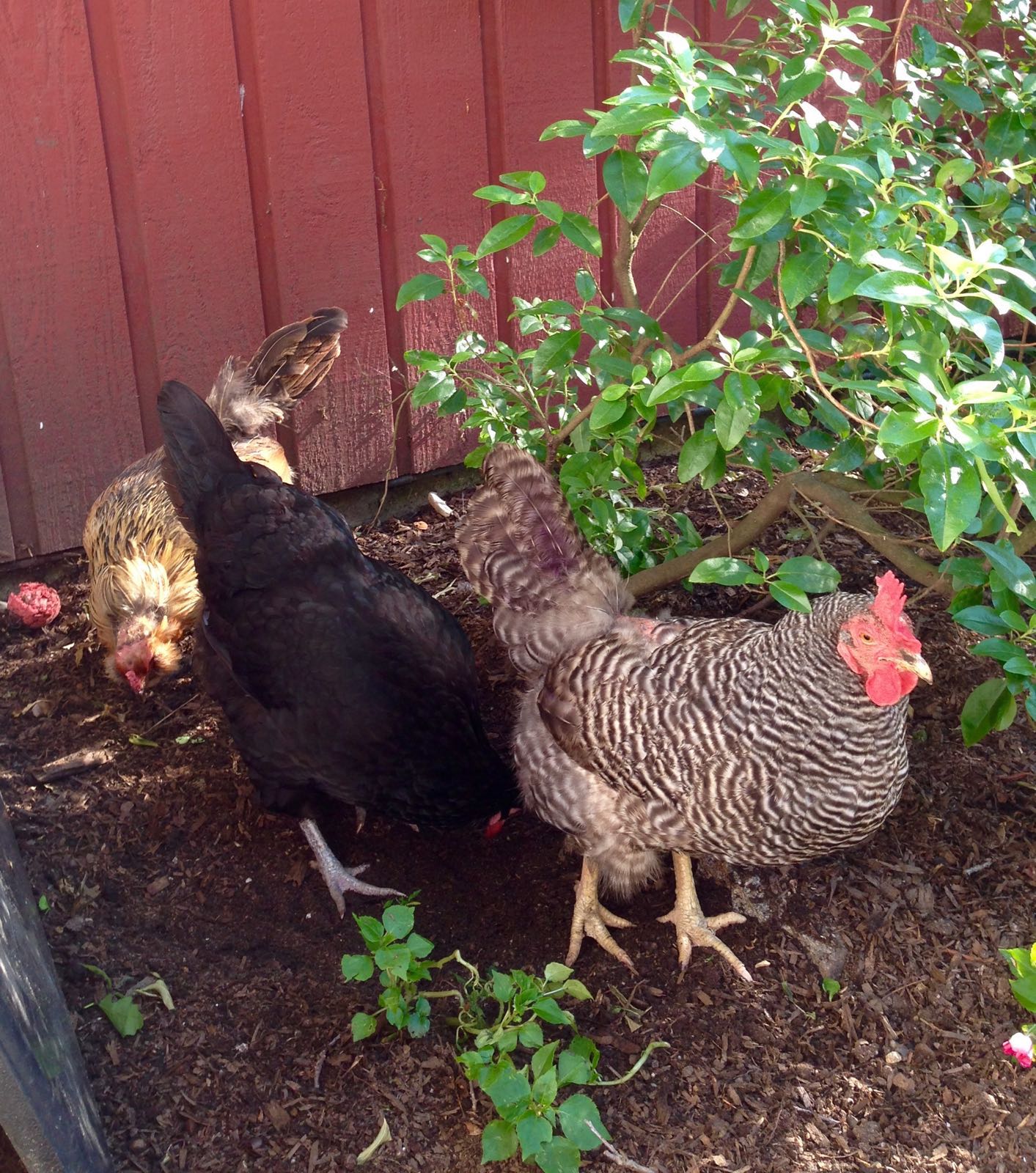
Steve is a chicken. She (yes, Steve is a she) is the black one in this photo, taken when we still had several chickens. This is the story of Steve.
My wife likes chickens. Something about them makes her feel good. She had a big chicken coop made outside our home, and even a big fenced in garden, so the chickens can run around, safe from marauding foxes and other miscreants. She takes care of them, and on sunny afternoons she lets them out of even their private garden, so that they can free range around the yard, pecking and digging things up, and generally just amusing her.
She’s had a number of chickens – I think at least 6 at one time, but I forget. She got them as tiny chicks. She encouraged our kids to come up with names for them. Pancake was a big white one, Mufasa was another, Suarez was another. Our youngest son came up with the last chicken’s name – he said that the little black one should be called Steve, and he wouldn’t listen to anyone who said that Steve is generally recognized as a boy’s name. He just thought it was funny….so Steve it was. And Steve outlived them all…by a lot.
Over time, the chickens left us, one way or another. A hawk took one while free ranging in the yard. My wife was outside at the time, with our youngest, and witnessed the kidnapping. “Will – go get her back!” Not wanting to disappoint Mum, he took off after the hawk with the young chicken in it’s talents…not quite sure what he was supposed to do, but… As you can imagine, things did not end well for the chicken. Others died in various ways, some peaceful, some not so much.
Steve was the last of them. Steve lived quite a life, for a chicken. Steve had that huge coop and garden outside our home in Connecticut, and when we decamped to Maine for the summers…well, Steve came with us. We built another coop and another big beautiful garden outside our home in Maine. As such, Steve would summer in Maine, and winter in Connecticut. Quite the life he (sorry, SHE) had. Steve didn’t seem to mind being the only chicken. Why would she, with the luxurious living quarters she enjoyed.
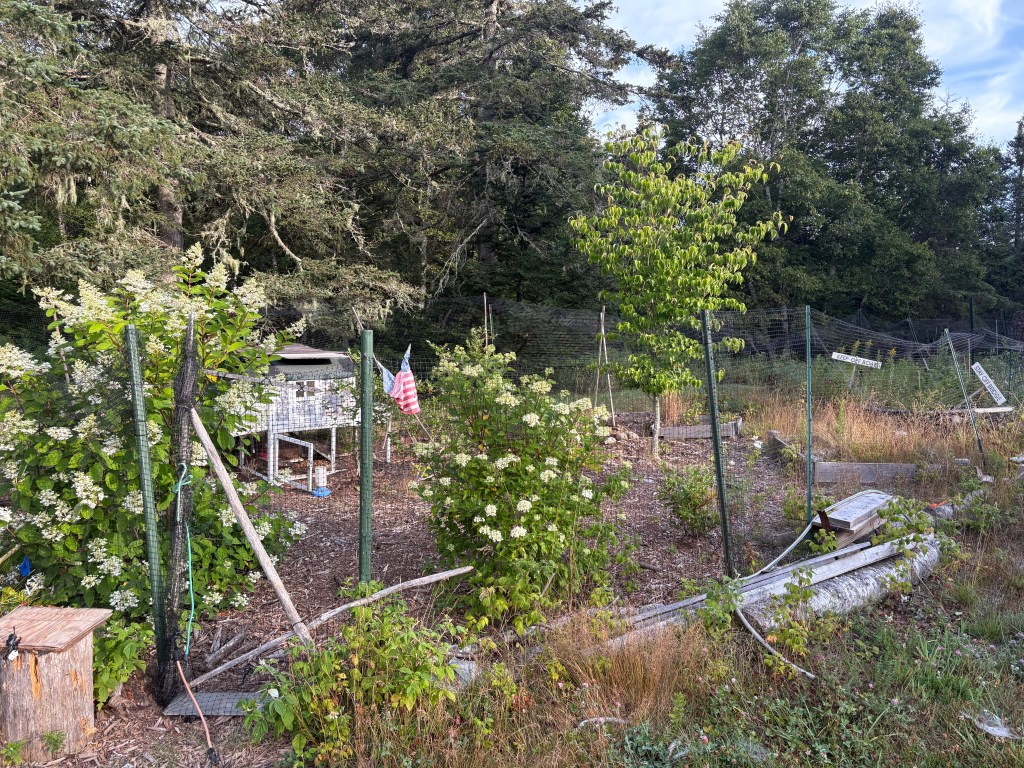
In the late afternoons, my wife would open the gate to Steve’s garden and let her free range around our house. Steve never wandered far. In fact she usually made a bee line for the house, knowing there was always extra dog food to snack on. Our dogs learned early on that Steve was part of the family and should be treated as such. In fact Steve and Rooney, our yellow lab, became good friends, hanging out in the dirt together like old mates. Here is Steve’s garden in Maine….
Steve was 10 years old this year. She was a miracle. She was even laying eggs still, at this old age. Other “chicken people” thought it couldn’t be true that Steve was that old, much less still laying eggs. In the last couple of years, I started calling her Stevie Nicks, which is of course a gal’s name. Seemed right.
My wife really enjoyed Steve.
Steve died last week.
Steve was just a chicken. She was an old old chicken. We didn’t pet her or cuddle her. Sometimes we could pick her up, but she wasn’t like a dog or a cat. It was hard to tell if she had a personality of any kind. Yet, she was part of this silly family somehow. I assume that Steve just died of old age, but the fact that on a hot day she was out of water, disturbed us…did we inadvertandly kill Steve? Might she have lived on if we had taken better care of her? I don’t know, but I admit it bothers me a bit to think we might have had a hand in her ending. I hope she just died peacefully, of old age.
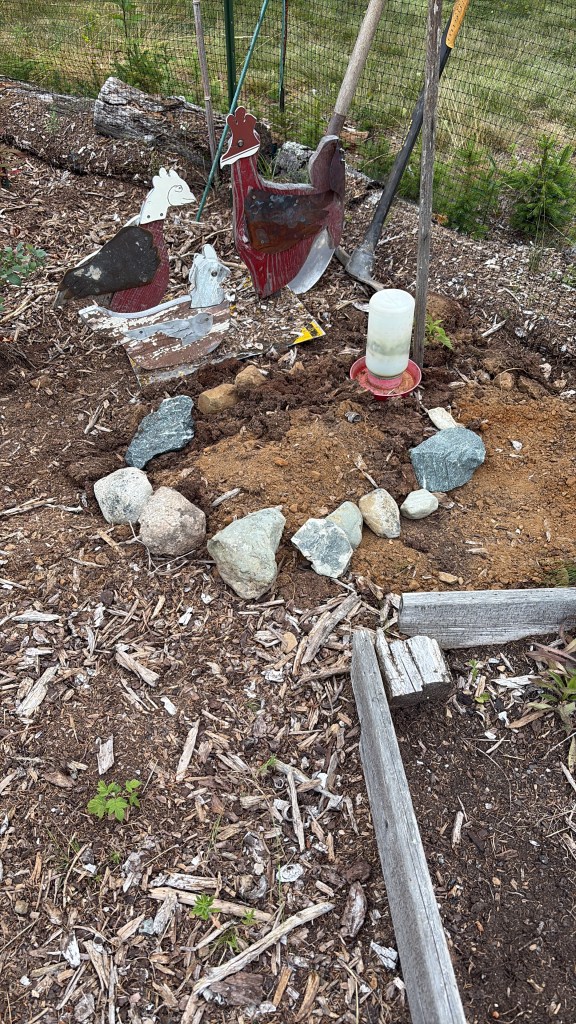
My wife cried. She still cries and she won’t talk about it. I buried Steve, right there in her garden. I made a little grave for her, but my wife won’t look at it. It’s crazy, but I also have admit this….I miss Steve. There was something about the ritual of getting up early and letting Steve out of her coop (we locked her up at night for her protection), of feeding her greens during the day, of letting her out in the afternoon and watching her wander quietly all around the house and garden. Steve was somehow soothing and was definitely part of the whole vibe of our house….and now she’s gone. I let Rooney (her best friend) say goodbye before I buried Steve. Rooney is old too (almost 14). Here she is…
I made this little grave for Steve (and for my wife). Note the chicken statues around her – they were a birthday present for my wife last year. She really did like chickens.
I know, I know…this is a lot to write about a dumb chicken. I was over it, but this morning I read an article about Fleetwood Mac and Stevie Nicks. I guess I will always think about Steve now when I listen to Stevie Nicks.
Sorry, Steve, we will miss you….but I guess it’s pretty cool that you had such a great life, for a chicken.
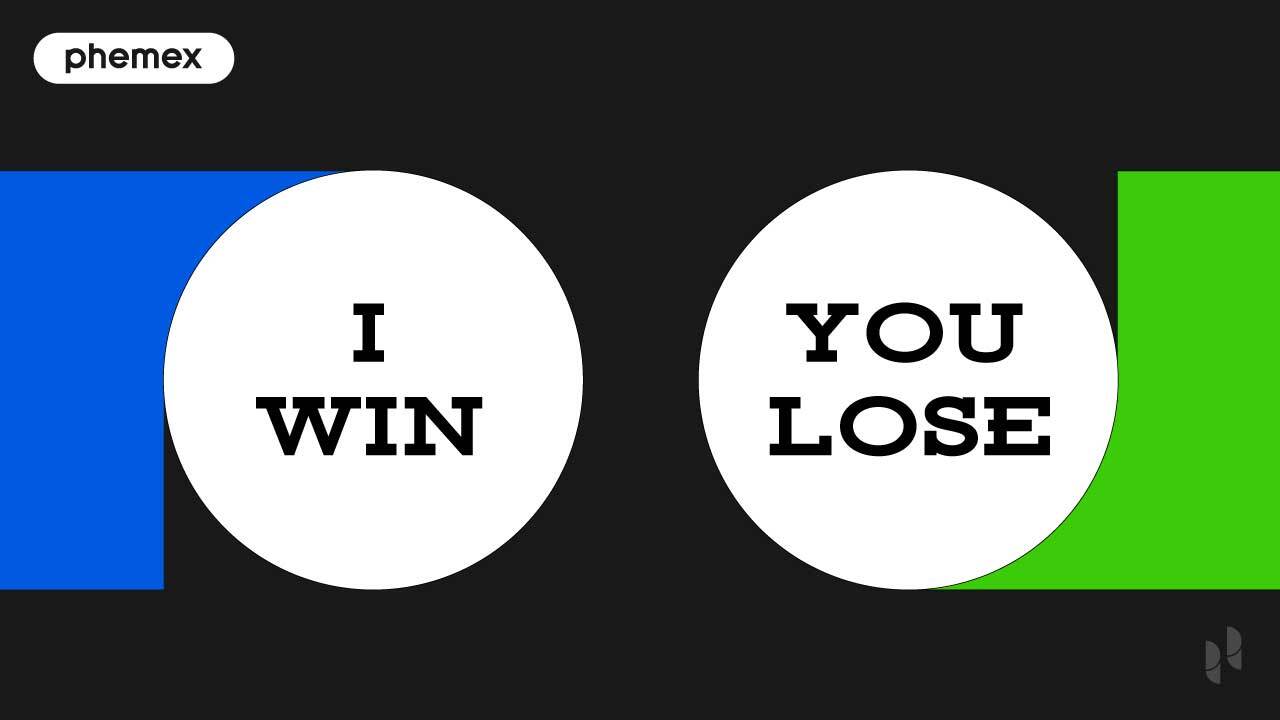
When I was in corporate life, I tried hard NOT to think that my work involved zero-sum thinking. This kind of thinking means that when I win, you lose. It means that when you win, I necessarily lose. Sometimes this is the case, of course, but it was never my stated objective. I would always strive for win-win scenarios instead. When negotiating with a client, there was usually a means to that end. More for me is less for you? Or we can compromise or get creative so that we both win.
I don’t see why this thinking cannot be equally as valuable in global political negotiations…if not more so. President Trump seems to think that every “deal” (are they really deals?) he works on is a win-lose, zero sum game. He thinks that other countries have been taking advantage of USA (rather than that USA has been helping people all over the world). Now is the time to teach them a lesson and get back what’s rightfully ours?
Gee I don’t see it that way. We may be spending more than most nations…because we are a wealthy nation. Is it our obligation to help others? You can argue both sides of that, but it’s a big world and when we help others, I tend to think we are paying it forward and we get back a return on that investment, not just in goodwill, but in strong alliances.
I was out of the country last week, at my daughter’s wedding. We were in the UK for a few days and then in France. News is global of course, but somehow the volume was a lot lower. I was able to avoid being disgusted every day reading stories about Trump and his sycophantic group of idiots. Yes, I saw the news involving Kristi Noem and yes I saw that Trump insulted the President of Liberia, but…maybe I’m getting way too used to this crap every day, even insensitized to it. I also think that the volume is much higher when you are in the US.
Do I think about moving out of the country sometimes? sure. And then I think of all the MAGA idiots who would just say good riddance and I think that when good people give up the battle gets that much harder.
I’m not going to leave. I’m going to continue being frustrated, but I’m not giving up.
I will, however, take vacations outside the USA periodically!
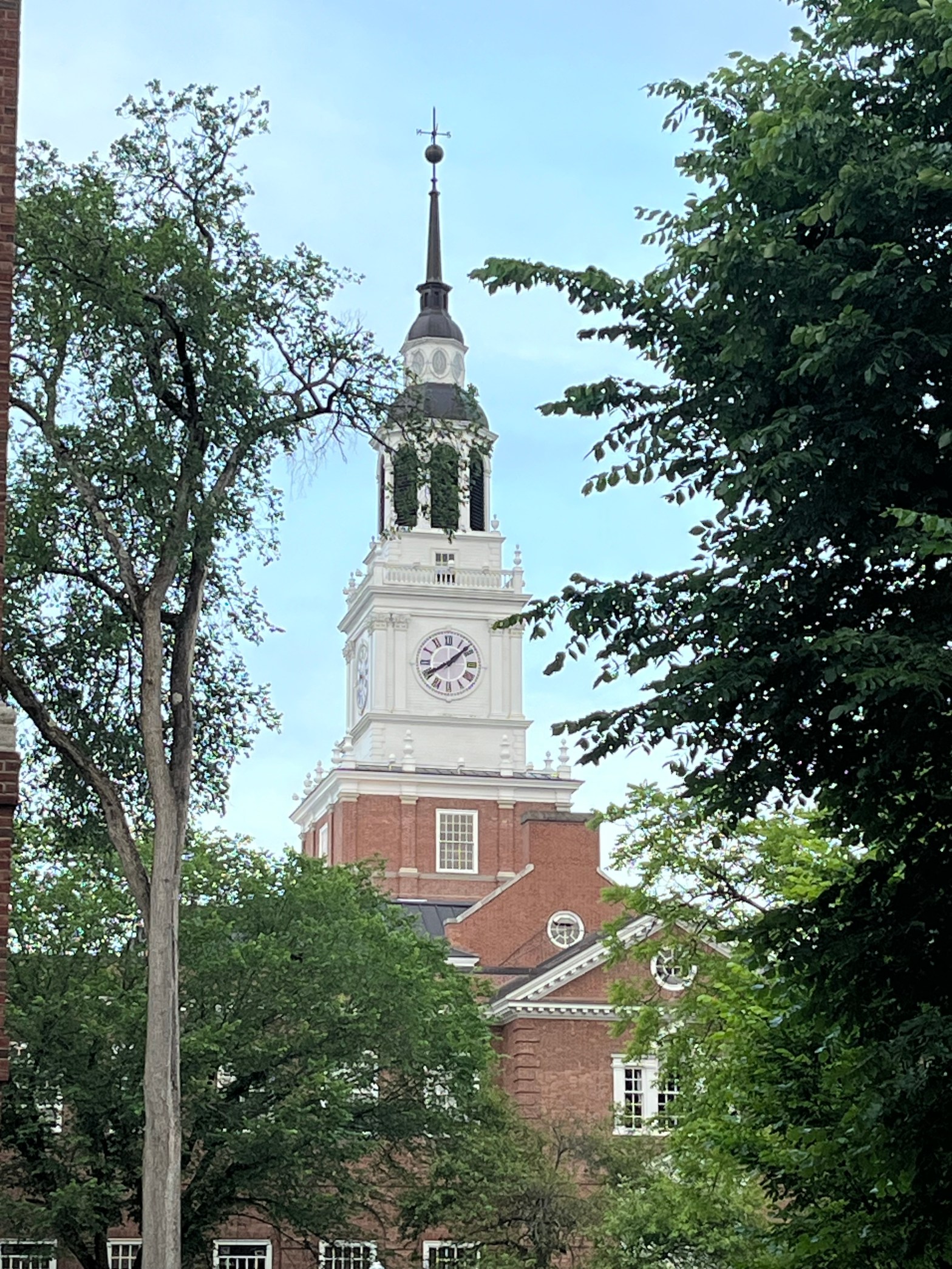
I’m 65 years old. I’ve been out of college for 44 years, having graduated in 1981. I went to Dartmouth College, in Hanover, New Hampshire. It’s a great school, one of the best in the world, academically. It’s also a wonderful place to spend four years, and I would do it all again if I could, and would take even better advantage of all it has to offer. Dartmouth’s campus is what a college ought to look like – as if right out of a storybook about going to college.
I keep in touch with some of my college buddies – I played soccer with some of them, drank beer in the basement of our fraternity and committed a variety of silly acts back then. After graduation I got immersed in career and then family and kept in touch with college classmates only sporadically. After my kids grew up and moved out I reconnected with a number of them and that has been very rewarding. My college friends are my friends for life, that is clear now. Dartmouth binds us.
I wasn’t sure I wanted to go our 45th reunion this past weekend. I am happy being connected with my close Dartmouth friends and that is good enough for me. I didn’t see the point of going, especially as most of my buddies were not going to be there. I went, after some prodding from my wife and from Abner, one of my buddies. Most of our close knit circle of friends did not attend, so I was unsure it was the best use of my time, especially since I had to miss an important board meeting for one of the non-profits I participate in.
I am glad I went. Just driving onto campus reignites memories and feelings that only Dartmouth can inspire. It is as beautiful as ever and while many things have changed in 45 years, it still looks like Dartmouth. Dartmouth’s alumni are the most loyal and committed in the world. People who go to Dartmouth love it. If you visit and don’t fall in love with it you just don’t go there. There are plenty of reasons to go elsewhere – city life, a more bustling location that being set in the White Mountains of New Hampshire, and many more of course. The kids who do go to Dartmouth just love it – I have never (NEVER) met someone who went to Dartmouth and didn’t love it. It’s just that kind of a place. The academics are top notch of course, but you can probably do just as well at Harvard, Yale, Princeton, Stamford or a few others….but they are not Dartmouth.
I saw people I hadn’t seen in over 40 years and I enjoyed it. I talked to people I remember from my undergraduate days but wasn’t close to but somehow it was different now and we had a good time together.
My wife and I slept in a dorm room. It was uncomfortable but it’s Dartmouth and I loved it. The school did a great job welcoming back alumni and I am glad I went. I was filled with nostalgia.
If you didn’t get to go to Dartmouth College you won’t understand this level of loyalty. That’s okay – there are hundreds of wonderful places to get a great education. There is only one Dartmouth, though.